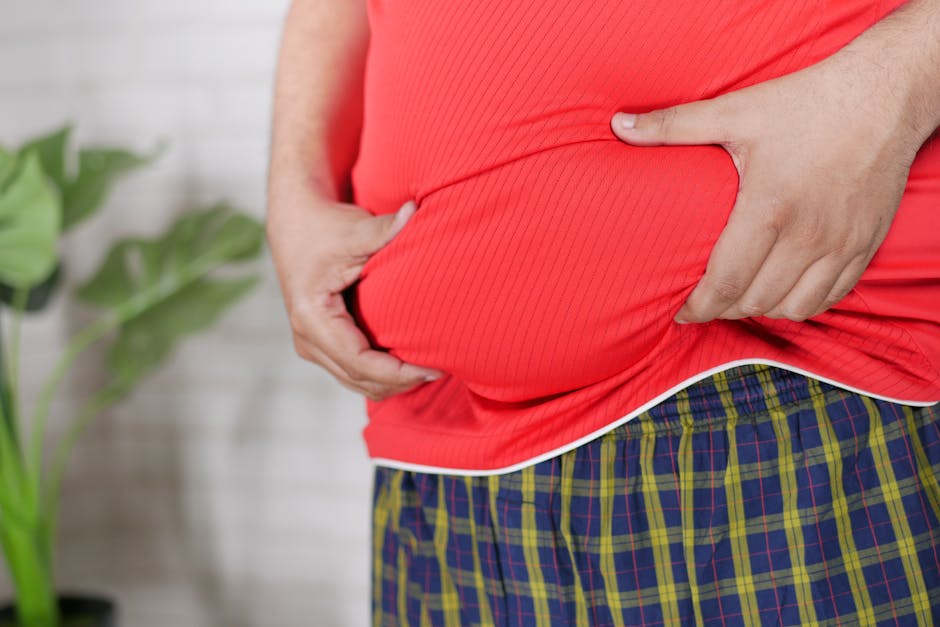
Foods to Avoid While Dieting: Navigating the Nutritional Minefield
Successfully navigating a diet requires more than simply reducing calorie intake. It demands a strategic understanding of food composition and the impact different nutrients have on your weight loss goals. Certain foods, despite potentially having redeeming qualities in other contexts, can actively sabotage your efforts. Recognizing and avoiding these dietary pitfalls is crucial for long-term success.
1. Processed Foods: The Calorie-Dense Culprits
Processed foods are arguably the biggest offenders when it comes to derailing a diet. Characterized by high levels of added sugars, unhealthy fats, and sodium, they offer minimal nutritional value while packing a significant caloric punch.
-
Refined Grains: White bread, pasta, and rice have been stripped of their fiber, leading to rapid blood sugar spikes followed by crashes. This can trigger cravings and contribute to overeating. Opt for whole grains like quinoa, brown rice, and whole-wheat bread, which provide sustained energy and satiety.
-
Sugary Drinks: Sodas, juices, and sweetened teas are liquid calories with virtually no nutritional benefit. They contribute significantly to weight gain and increase the risk of type 2 diabetes. Focus on water, unsweetened herbal teas, and sparkling water infused with fruit.
-
Packaged Snacks: Chips, cookies, candy bars, and other packaged snacks are often loaded with trans fats, sugar, and artificial additives. They are designed to be hyperpalatable, making them incredibly addictive and difficult to resist. Instead, choose whole, unprocessed snacks like fruits, vegetables, nuts, or seeds.
-
Fast Food: Fast food meals are notoriously high in calories, saturated fat, sodium, and sugar. They are often large portions and provide little to no essential nutrients. Cook at home whenever possible to control ingredients and portion sizes.
-
Processed Meats: Bacon, sausage, hot dogs, and deli meats are typically high in sodium, nitrates, and saturated fat. They are also linked to an increased risk of certain cancers. Choose lean protein sources like grilled chicken, fish, or beans.
2. High-Sugar Foods: The Blood Sugar Rollercoaster
Excessive sugar consumption is a major obstacle to weight loss. It can lead to insulin resistance, increased fat storage, and a heightened appetite.
-
Candy and Sweets: Obvious culprits like candy bars, chocolate, and pastries are packed with refined sugar and offer little nutritional value. Indulge sparingly and choose smaller portions.
-
Sugary Cereals: Many breakfast cereals are surprisingly high in sugar, often disguised under appealing names and colorful packaging. Read nutrition labels carefully and opt for cereals with less than 5 grams of added sugar per serving. Look for whole-grain options with high fiber content.
-
Sweetened Yogurt: Flavored yogurts can be loaded with added sugars. Choose plain yogurt and add your own fruit or a small amount of honey for sweetness.
-
Jams and Jellies: These are often high in sugar and low in nutrients. Opt for fruit spreads with no added sugar or make your own using fresh or frozen fruit.
-
Canned Fruits in Syrup: The syrup adds unnecessary calories and sugar. Choose canned fruits packed in water or natural juice.
3. High-Fat Foods (The Unhealthy Kind): Saturated and Trans Fats
While healthy fats are essential for overall health, excessive consumption of saturated and trans fats can contribute to weight gain and increase the risk of heart disease.
-
Fried Foods: Fried foods are high in calories and unhealthy fats. The frying process also often introduces trans fats. Opt for baking, grilling, or steaming instead.
-
Fatty Cuts of Meat: Choose lean cuts of meat like chicken breast, turkey breast, fish, and lean beef. Trim visible fat before cooking.
-
Full-Fat Dairy: While dairy can be part of a healthy diet, full-fat options can be high in saturated fat. Choose low-fat or non-fat dairy products.
-
Butter and Lard: Use butter sparingly and avoid lard altogether. Opt for healthier oils like olive oil or avocado oil for cooking.
-
Processed Snacks with Trans Fats: Check ingredient lists carefully for partially hydrogenated oils, which are a source of trans fats. These are often found in processed snacks, baked goods, and fried foods.
4. Refined Carbohydrates: The Empty Calories
Refined carbohydrates, like those found in white bread and pastries, are quickly digested and can lead to blood sugar spikes and crashes.
-
White Bread: Lacks the fiber and nutrients of whole-wheat bread.
-
White Rice: Similar to white bread, it’s been stripped of its bran and germ.
-
Pastries and Cakes: High in sugar, refined flour, and unhealthy fats.
-
Crackers: Often made with refined flour and unhealthy oils.
-
Potatoes (in large quantities and fried): While potatoes offer some nutrients, consuming large portions, especially fried, can hinder weight loss. Choose sweet potatoes more often, and bake or roast rather than fry.
5. Alcohol: Empty Calories and Impaired Judgement
Alcoholic beverages are high in calories and provide little to no nutritional value. They can also lower inhibitions, leading to poor food choices.
-
Beer: Especially high in carbohydrates. Light beers are a better option but should still be consumed in moderation.
-
Wine: Red wine offers some antioxidants but is still a source of calories.
-
Liquor: Mixed drinks are often loaded with sugary mixers, adding unnecessary calories. If you choose to drink liquor, opt for clear spirits like vodka or gin and mix with diet soda or sparkling water.
6. High-Sodium Foods: Water Retention and Cravings
Excessive sodium intake can lead to water retention, making you feel bloated and heavier. It can also trigger cravings for sweet and salty foods.
-
Processed Foods (already mentioned above): Many processed foods are incredibly high in sodium.
-
Canned Soups: Often loaded with sodium as a preservative.
-
Soy Sauce: Use sparingly due to its high sodium content.
-
Salty Snacks: Chips, pretzels, and salted nuts are high in sodium and calories.
-
Restaurant Meals: Restaurant meals often contain high levels of sodium. Ask for your food to be prepared with less salt.
7. Certain Condiments and Sauces: Hidden Calories and Sugars
Condiments and sauces can add significant calories, sugar, and sodium to your meals.
-
Ketchup: Often high in sugar and sodium.
-
Mayonnaise: High in fat and calories. Opt for low-fat or light mayonnaise, or use mustard or avocado as a healthier alternative.
-
Salad Dressings: Many store-bought salad dressings are high in calories, sugar, and unhealthy fats. Make your own vinaigrette with olive oil, vinegar, and herbs.
-
Barbecue Sauce: Can be high in sugar and sodium.
-
Creamy Sauces: Like Alfredo or carbonara, are high in fat and calories.
8. Foods High in Artificial Sweeteners: The Metabolic Deception
While artificial sweeteners may seem like a calorie-free alternative to sugar, they can disrupt gut bacteria and potentially lead to increased cravings and weight gain. Research in this area is ongoing and somewhat controversial.
-
Diet Sodas: Often contain artificial sweeteners.
-
Sugar-Free Candies and Desserts: Can contain artificial sweeteners that may trigger cravings.
-
Processed Foods Labeled “Sugar-Free”: Always check the ingredient list for artificial sweeteners.
9. White Flour Products:
White flour has been stripped of its fiber and nutrients during processing. This results in a rapidly digested carbohydrate that can spike blood sugar levels and contribute to weight gain.
-
Commercial Baked Goods: These often contain white flour, added sugars, and unhealthy fats.
-
Some Types of Pasta: Opt for whole-wheat pasta instead.
10. Foods You Are Allergic or Intolerant To:
Even healthy foods can hinder weight loss if you have an allergy or intolerance. Inflammation caused by these foods can lead to water retention and digestive issues.
- Common Allergens: Dairy, gluten, soy, nuts, shellfish, and eggs. Keeping a food journal can help you identify potential triggers. Consult a doctor or registered dietitian for testing and guidance.
Navigating the world of dieting can be challenging, but by understanding which foods to avoid and focusing on whole, unprocessed options, you can significantly increase your chances of achieving your weight loss goals. Prioritize lean protein, fruits, vegetables, whole grains, and healthy fats, and remember that moderation and consistency are key.