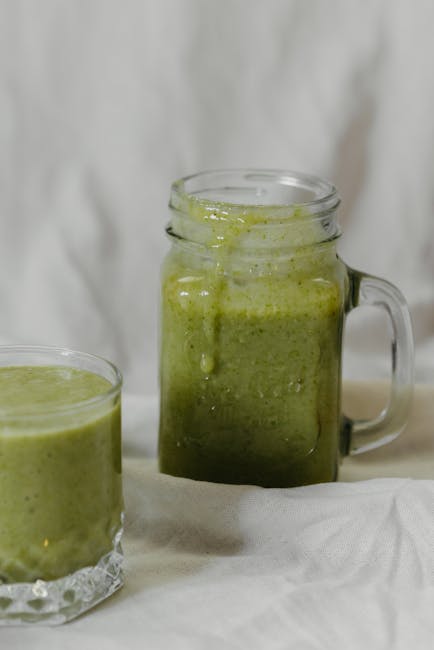
Healthy Snacks for Weight Management: Curb Cravings and Stay on Track
Understanding the Snack Game: Why, What, and How
Snacking often gets a bad rap, associated with mindless eating and weight gain. However, strategic snacking can be a powerful tool for weight management, helping you control hunger, stabilize blood sugar levels, and prevent overeating at main meals. The key lies in understanding why you’re snacking, what you’re choosing to eat, and how you incorporate snacks into your daily routine.
The Pitfalls of Mindless Munching:
Before diving into healthy options, it’s crucial to address the common pitfalls of unhealthy snacking. These often stem from:
- Emotional Eating: Turning to food for comfort or stress relief, typically choosing high-calorie, low-nutrient options.
- Boredom: Reaching for snacks out of sheer boredom, rather than genuine hunger.
- Accessibility: Grabbing whatever is readily available, often processed foods high in sugar, salt, and unhealthy fats.
- Lack of Planning: Not having healthy snacks prepared, leaving you vulnerable to impulsive, unhealthy choices.
- Dehydration: Mistaking thirst for hunger, leading to unnecessary calorie consumption.
The Power of Purposeful Snacking:
When done correctly, snacking offers numerous benefits for weight management:
- Hunger Control: Prevents extreme hunger and cravings, reducing the likelihood of overeating at meals.
- Blood Sugar Stabilization: Helps maintain stable blood sugar levels, preventing energy crashes and cravings for sugary foods.
- Nutrient Intake: Provides an opportunity to incorporate nutrient-rich foods, filling dietary gaps.
- Metabolic Boost: Eating small, frequent meals can slightly boost metabolism compared to infrequent, large meals.
- Energy Maintenance: Provides sustained energy throughout the day, improving focus and productivity.
Key Principles of Healthy Snacking:
To reap the benefits of snacking without derailing your weight management goals, adhere to these principles:
- Portion Control: This is paramount. Pre-portion your snacks to avoid mindless overeating. Use small containers or bags to manage serving sizes.
- Macronutrient Balance: Aim for a snack that contains a combination of protein, fiber, and healthy fats. This combination promotes satiety and sustained energy.
- Prioritize Whole Foods: Focus on minimally processed, whole foods such as fruits, vegetables, nuts, seeds, and whole grains.
- Read Labels: Be mindful of hidden sugars, unhealthy fats, and excessive sodium in packaged snacks.
- Plan Ahead: Keep healthy snacks readily available at home, work, and on the go.
- Listen to Your Body: Only snack when you are genuinely hungry. Learn to distinguish between physical hunger and emotional cravings.
- Hydrate: Drink plenty of water throughout the day. Sometimes, a glass of water can alleviate perceived hunger.
The Healthy Snack Arsenal: Delicious and Nutritious Options
Here are some excellent healthy snack options, categorized by their primary macronutrient focus and offering variety to suit different preferences:
Protein-Packed Snacks:
- Hard-Boiled Eggs: A complete protein source with healthy fats, providing sustained energy.
- Greek Yogurt (Plain): High in protein and probiotics, can be sweetened naturally with berries or a drizzle of honey.
- Cottage Cheese: Another excellent source of protein, can be paired with fruit or vegetables.
- Edamame (Steamed): A plant-based protein source that’s also high in fiber.
- Turkey or Chicken Breast Slices: Lean protein that can be paired with whole-wheat crackers or vegetables.
- Protein Shake: A convenient and quick way to boost protein intake, especially after a workout. Opt for low-sugar options.
Fiber-Rich Snacks:
- Apples with Peanut Butter (or Almond Butter): The fiber in the apple combined with the healthy fats and protein in nut butter provides sustained satiety.
- Pear with Cheese: Similar to apples and peanut butter, the fiber in the pear pairs well with the protein and fat in cheese. Choose low-fat cheese for a lower-calorie option.
- Berries (Blueberries, Strawberries, Raspberries): Packed with antioxidants and fiber, berries are a naturally sweet and satisfying snack.
- Air-Popped Popcorn: A whole-grain snack that’s high in fiber and low in calories. Avoid adding excessive butter or salt.
- Vegetable Sticks (Carrots, Celery, Cucumber) with Hummus: The fiber in the vegetables, combined with the protein and healthy fats in hummus, makes for a filling and nutritious snack.
- Oatmeal (Plain): A warm and comforting snack that’s high in fiber. Avoid adding excessive sugar; sweeten with fruit or a touch of honey.
Healthy Fat Snacks:
- Avocado Slices with Everything Bagel Seasoning: Avocado is a source of healthy monounsaturated fats that promote satiety and heart health.
- Nuts (Almonds, Walnuts, Cashews): A good source of healthy fats, protein, and fiber. Stick to a small handful (about ¼ cup) to control calories.
- Seeds (Chia Seeds, Flax Seeds, Pumpkin Seeds): Packed with healthy fats, fiber, and minerals. Can be added to yogurt, smoothies, or oatmeal.
- Olives: A savory and satisfying snack that’s rich in healthy monounsaturated fats.
Smart Snacking Combinations: Synergy for Satiety
Combining different food groups in your snacks can maximize satiety and nutrient intake. Here are some examples:
- Greek Yogurt with Berries and a Sprinkle of Nuts: Combines protein, fiber, and healthy fats for a well-rounded and satisfying snack.
- Whole-Wheat Crackers with Avocado and a Slice of Turkey Breast: Provides carbohydrates, healthy fats, and lean protein.
- Apple Slices with Cheddar Cheese and a Few Walnuts: A balanced combination of fiber, protein, healthy fats, and carbohydrates.
Hydration is Key: The Often-Overlooked Snack
Remember that dehydration can often be mistaken for hunger. Before reaching for a snack, try drinking a glass of water or unsweetened tea. Sometimes, that’s all you need to curb the perceived hunger.
Mindful Snacking Practices: Cultivating Healthy Habits
Beyond the what of snacking, the how is equally important. Practice mindful snacking by:
- Eating Slowly: Savor each bite and pay attention to your body’s cues.
- Eliminating Distractions: Turn off the TV and put away your phone while snacking.
- Paying Attention to Hunger Cues: Only snack when you are genuinely hungry, not out of boredom or emotional distress.
- Using Smaller Plates and Bowls: This can help control portion sizes.
- Journaling: Keep a food journal to track your snacking habits and identify areas for improvement.
Navigating Temptation: Healthy Alternatives to Common Cravings
Everyone experiences cravings, but you don’t have to succumb to unhealthy options. Here are some healthier alternatives to common cravings:
- Craving Sweets: Opt for fruit, Greek yogurt with berries, or a small square of dark chocolate (70% cacao or higher).
- Craving Salty Snacks: Choose air-popped popcorn, roasted chickpeas, or a handful of salted nuts.
- Craving Crunchy Snacks: Reach for vegetable sticks, air-popped popcorn, or a small handful of almonds.
- Craving Creamy Snacks: Try avocado slices, Greek yogurt, or a small portion of nut butter.
Snacking on the Go: Planning for Success
Life is busy, but that’s no excuse for unhealthy snacking. Prepare in advance to ensure you always have healthy options readily available:
- Pack Snacks the Night Before: Prepare your snacks the evening before and store them in containers or bags.
- Keep Healthy Snacks at Your Desk: Stash a supply of non-perishable snacks like nuts, seeds, and protein bars at your workplace.
- Carry a Water Bottle: Staying hydrated can help prevent unnecessary snacking.
- Plan Your Snacks Like You Plan Your Meals: Incorporate snacks into your daily meal plan to ensure you’re making conscious choices.
Listen to Your Body, Adapt, and Thrive:
Ultimately, the best snacking strategy is one that works for you. Experiment with different options, pay attention to how your body responds, and adapt your approach as needed. Healthy snacking is a journey, not a destination. Be patient with yourself, celebrate your successes, and learn from your setbacks. By embracing these principles, you can transform snacking from a weight management obstacle into a powerful tool for achieving your health goals.